
- Artificial Intelligence

A clinic signs its first outcome-based contract and celebrates too early. The dashboard shows visits, claims and completed documentation, but the payer wants answers about readmissions, complications, patient-reported outcomes and total cost. The clinical director opens the EHR, billing system and analytics platform, then discovers that each one describes

17 Oct 2026, 08:05 AM

92% of Canadian healthcare providers have access to a digital health system, yet only 52% use one to send or share clinical information outside their main practice. That gap proves a hard truth in patient-centric HealthTech. Digitisation alone doesn't create a connected platform. Patients feel that disconnect long before

15 Oct 2026, 01:00 AM
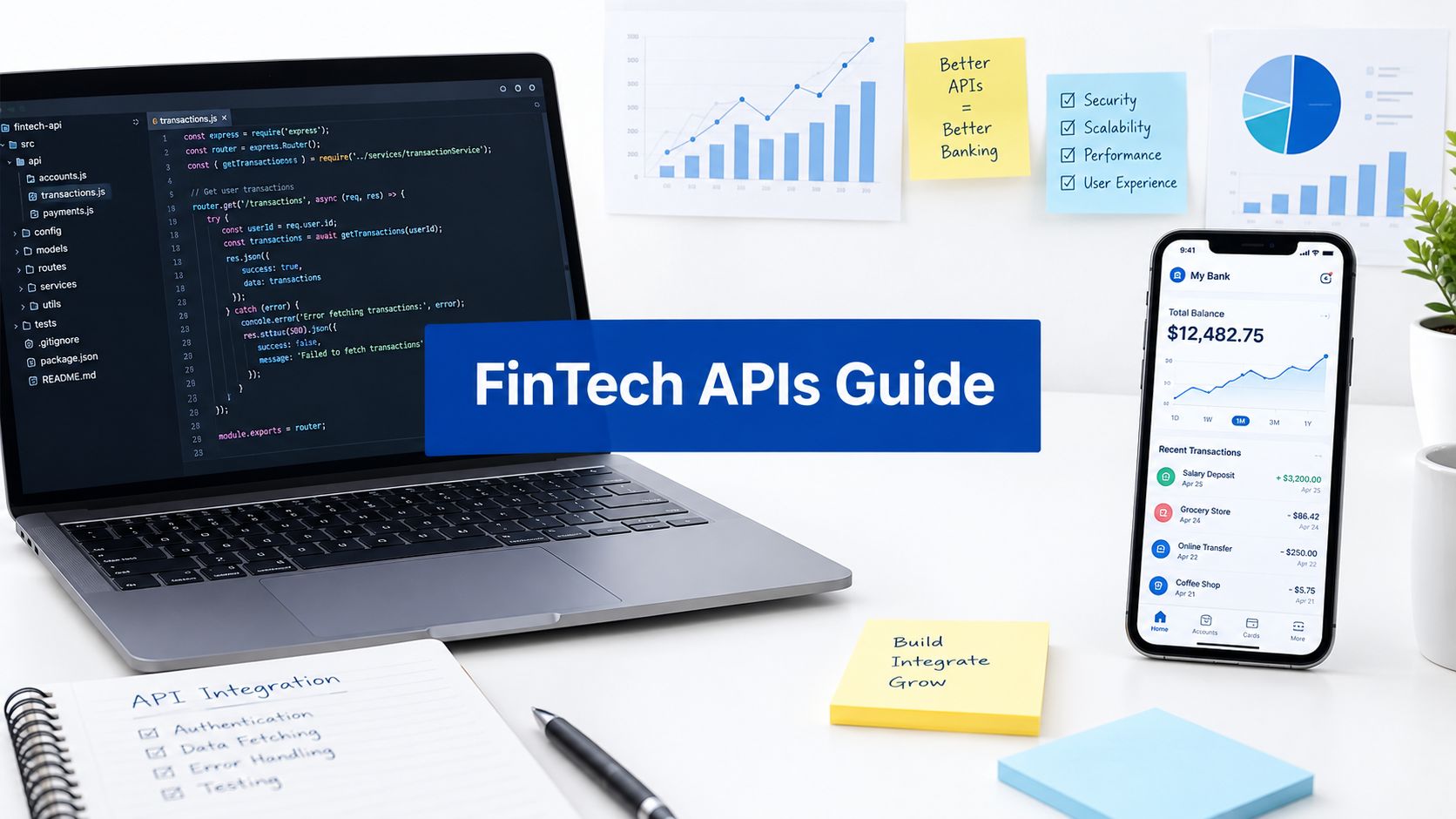
Approximately 9 million Canadians already share confidential banking credentials with service providers, and FinTech APIs offer a safer alternative by enabling consent-based access without handing over usernames and passwords. The shift is changing how financial products are designed, tested and governed across banking, insurance, healthcare and small-business finance. You
11 Oct 2026, 10:39 AM
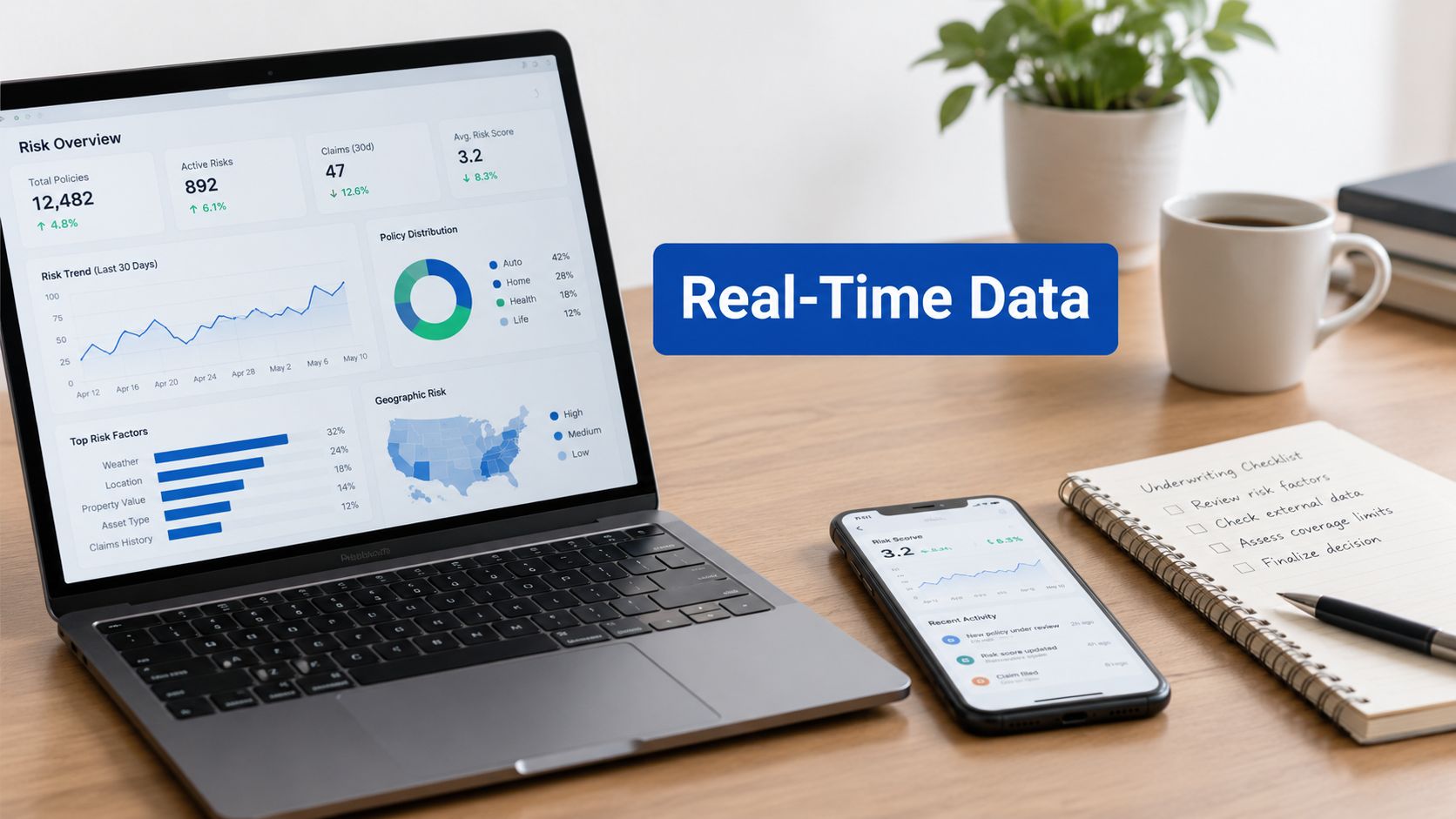
CAA MyPace policies placed from January through September 2021 were 418% higher than during the equivalent period in 2019. That jump shows how quickly real-time insurance data can change risk assessment when traditional assumptions stop matching real-world behaviour. In Canada, insurers are moving from occasional snapshots towards continuously refreshed

10 Oct 2026, 10:31 AM
- Our Recent Blogs

Your emergency department is filling up, the ward team can't confirm the next available bed, and clinic staff are calling patients to rearrange appointments.
A patient is waiting for laboratory results. Your receptionist can open the portal, the clinician can sign in to the electronic medical record, and
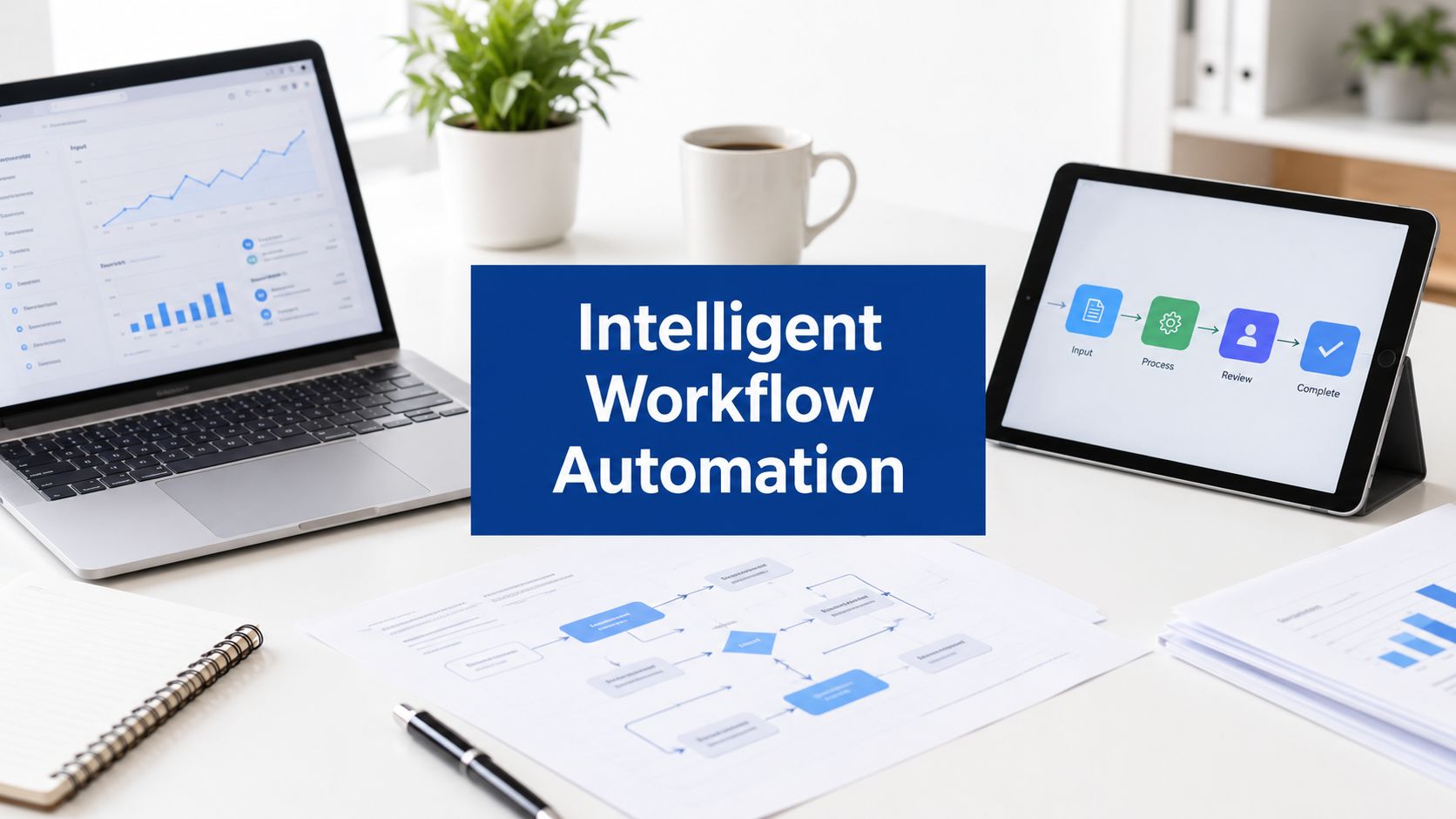
A claim arrives as a photo. An intake form arrives as a PDF. A customer update sits in an inbox while the actual record

A customer sees a jacket online, taps “pick up today”, and walks into the store expecting one conversation, one stock count and one loyalty
